
Classic Cars for Film Scenes That Set the Tone
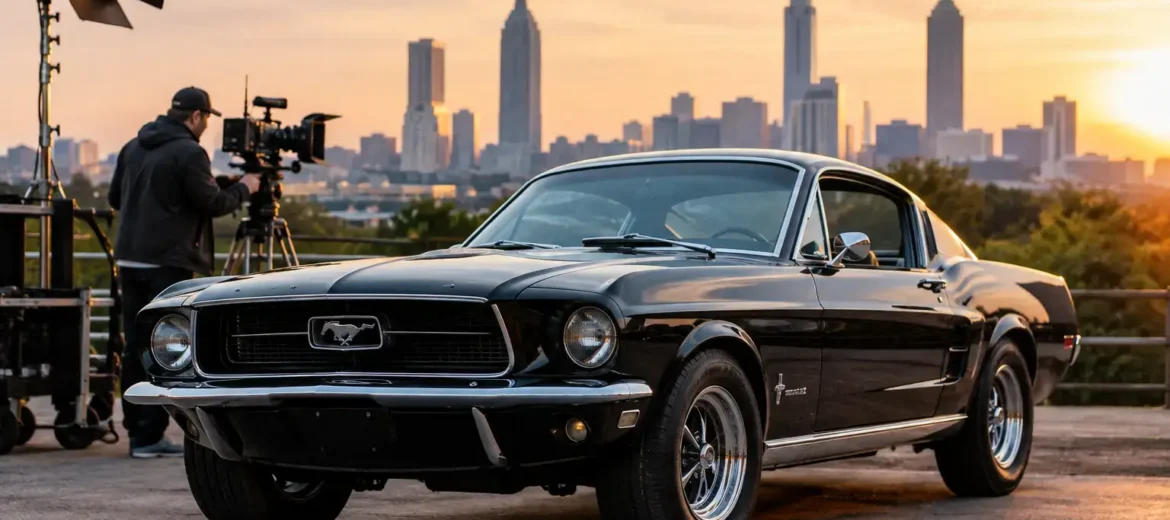
A single arrival can establish a character before the first line is spoken. The soft authority of a 1949 Bentley, the open-air optimism of a 1928 Ford Model A Phaeton Convertible, or the dramatic silhouette of a roadster can turn a driveway, hotel entrance, or quiet North Georgia lane into a world with history. For producers, directors, and location teams, classic cars for film scenes are not background transportation. They are visual storytelling tools.
The right vehicle gives a scene texture that cannot be added in post-production. Chrome catches a late-afternoon reflection differently than modern bodywork. A long hood changes the composition of a two-shot. A chauffeur opening the door creates an entrance with rhythm, intention, and a welcome sense of occasion.
Why Classic Cars for Film Scenes Carry the Story
A vintage automobile immediately signals more than a date on a calendar. It can suggest old money, a fresh romance, a family legacy, a glamorous escape, or a character who prefers the exceptional to the expected. Its meaning depends on the vehicle, wardrobe, location, lighting, and the way it enters the frame.
A 1929 Ford Model A, for example, may feel rooted in the early twentieth century when placed beside a historic facade. Yet styled with contemporary fashion and shot in a clean, editorial setting, it can also create a charming contrast for a modern luxury campaign. The car does not dictate the story. It gives the creative team a richly detailed starting point.
This is why a classic vehicle should be discussed early in pre-production rather than added as a last-minute prop. Once the automobile is part of the visual concept, the director of photography can plan lenses, movement, reflections, and staging around its proportions. Wardrobe can complement its color and era. Talent can rehearse entrances, exits, and seated moments that feel composed rather than improvised.
Begin With the Emotional World, Not the Model Year
The most effective selection process starts with a question: what should the audience feel the moment the car appears?
For a scene of quiet sophistication, a stately sedan such as a 1949 Bentley Mark VI can bring gravitas without asking for attention. It suits a private club arrival, a distinguished residence, a formal celebration, or a narrative built around heritage. The effect is polished and restrained.
For romance, warmth, and a sense of movement, an open-top Phaeton offers a different language. The 1928 Ford Model A Phaeton Convertible gives filmmakers space to frame wind-touched fabric, a bouquet, a glance between two people, or the anticipation before a departure. It is especially compelling for engagement films, wedding imagery, period-inspired editorials, and scenes that need a feeling of freedom.
For heightened glamour, an Excalibur Series II or Series III Phaeton or a Mercedes-Benz 540K Roadster replica can bring theatrical elegance. These silhouettes are naturally suited to grand entrances, red-carpet-inspired moments, luxury fashion work, and stylized commercial scenes. Their visual impact is substantial, so the surrounding production design should leave room for the vehicle to breathe.
The trade-off is simple: the more visually expressive the vehicle, the more intentional every nearby element must be. A dramatic roadster can elevate a spare setting, but it may compete with an already ornate location or heavily patterned wardrobe. A quieter automobile can be the more refined choice when the cast, architecture, or product must remain the focal point.
Consider the Camera Before the Call Sheet
A classic car looks remarkable in person, but its film value comes down to what happens inside the frame. Before confirming a vehicle, production teams should consider the planned shots and the practical realities behind them.
Exterior coverage benefits from knowing whether the scene calls for a parked hero shot, a slow arrival, a curbside departure, or a moving sequence. A vehicle with sweeping fenders and a long profile may be ideal for lateral tracking shots. A convertible gives greater visibility to talent and is often better suited to overhead angles or close-ups through the windshield.
Interior coverage deserves equal consideration. Cameras, lighting, sound, and wardrobe all need room to work. A chauffeur-driven setup can simplify scenes where talent needs to remain focused on performance instead of operating the vehicle. It also gives productions a polished, believable arrival or departure without placing driving demands on the cast.
Light is another quiet decision-maker. Highly polished vintage finishes can create beautiful highlights, but they also reflect crew, equipment, and surroundings. A thoughtful location walk-through helps determine camera positions and times of day. In Buckhead, the controlled elegance of a hotel porte cochere or manicured residential approach may support a formal scene. Around Midtown, architectural lines and evening city light can lend a more cinematic, contemporary contrast to a heritage vehicle.
Build Time Into the Production Plan
A historic automobile brings presence, but it should never be treated like an interchangeable production asset. Clear planning protects both the schedule and the scene.
Share the intended use in advance: still photography, narrative coverage, branded content, music video work, arrival footage, or stationary display. Production coordinators should also identify the location, access conditions, anticipated timing, number of setups, talent needs, and whether the car will be photographed in motion or at rest. These details help shape a realistic plan for vehicle placement and chauffeur coordination.
A few practical questions can prevent a rushed day:
- Can the location accommodate the vehicle’s arrival and turning radius?
- Is the surface appropriate for the planned placement, particularly at private estates, gardens, or rural venues?
- Will a scene require a controlled drop-off, an extended wait, or multiple entrances from different angles?
- Does the production need daylight, golden hour, or evening coverage?
These are not limitations. They are the details that transform a beautiful idea into a calm, camera-ready production day. A clear schedule also allows creative teams to protect the moments that matter most, whether that is the lead actor’s entrance, the final getaway shot, or a single frame created for a campaign launch.
Let the Location Add a Second Layer of Character
Atlanta and North Georgia offer settings that pair naturally with heritage automobiles, but the strongest match is always narrative rather than geographic. A grand architectural entrance may call for the restraint of a Bentley. A tree-lined approach near a historic venue may invite the romance of a Phaeton. An editorial shoot in a refined garden or at a private estate may benefit from the sculptural drama of a roadster.
Location and vehicle should appear to belong together without becoming overly literal. A 1920s-inspired car does not require a strictly period location. Sometimes the most memorable image comes from the contrast between vintage design and contemporary Atlanta architecture, a tailored modern wardrobe, or a clean studio set.
For wedding films and luxury celebration coverage, the vehicle can also create a graceful bridge between locations. The transition from ceremony to reception is often emotionally significant but visually overlooked. A chauffeur-driven classic car gives that passage a sense of privacy and occasion, offering filmmakers an intimate space for portraits, conversation, and the first quiet moments after a major celebration.
The Chauffeur Is Part of the Scene
In film work, a professional chauffeur is more than the person at the wheel. They are part of the timing, safety, and visual rhythm of the scene.
A chauffeur can deliver a precise arrival, hold position while the camera resets, and help maintain an unhurried atmosphere around talent. For scenes involving doors, curbside arrivals, or formal departures, that level of coordination is particularly valuable. The action feels natural because it has been considered from the start.
This matters for still photography as well. A photographer may need the car angled slightly toward the light, positioned within a specific architectural frame, or held at a moment of stillness while the composition comes together. A well-coordinated experience lets the creative team remain focused on imagery rather than logistics.
Classic Rides ATL provides chauffeur-driven vintage automobiles for productions that want this combination of distinctive design, professional coordination, and hospitality. Vehicle choice and timing should be discussed according to the needs of the scene, since the most suitable car depends on the visual concept, location, and planned use.
A Vehicle Worth Writing Into the Frame
The best classic car does not simply fill space behind the cast. It gives the scene a past, a pulse, and a sense that something special is about to happen. Whether the story calls for restrained heritage, windswept romance, or cinematic grandeur, choose a vehicle early enough for it to influence the visual language around it.
For an upcoming Atlanta or North Georgia production, begin with the feeling you want on screen, then shape the arrival around it. A carefully chosen classic automobile can make the first frame feel like an occasion before anyone says a word.