
How to Style Vintage Cars for Photoshoots
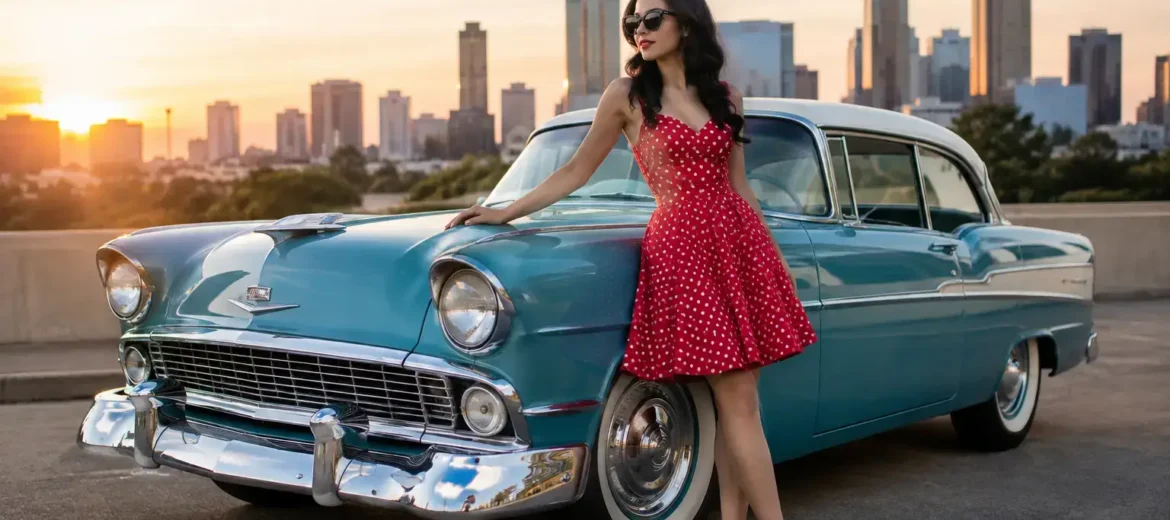
A vintage automobile changes the emotional temperature of a photograph before anyone steps into the frame. The curve of a fender, the glow of chrome, a hand resting on a rear door – these details suggest arrival, ceremony, and a life well lived. To style vintage cars for photoshoots beautifully, treat the vehicle as more than a backdrop. It is a character with its own era, silhouette, and quiet presence.
The most memorable images do not overwhelm that character. They create a considered conversation between the automobile, the people being photographed, the light, and the setting. Whether the occasion is an engagement session in Buckhead, an editorial portrait in Midtown, or a wedding celebration at a North Georgia estate, restraint is often the element that makes the image feel truly luxurious.
Begin With the Car’s Personality
Not every vintage car tells the same story. A 1949 Bentley Mark VI brings a tailored, old-world elegance that pairs naturally with formal attire, grand architecture, and candlelit celebrations. A 1928 Ford Model A Phaeton Convertible feels lighter and more open-hearted – ideal for garden venues, spring portraits, and images with movement. The dramatic lines of an Excalibur Phaeton or Mercedes-Benz 540K Roadster replica can carry a more cinematic mood, particularly when the setting calls for romance with a touch of theater.
Start by deciding what the photograph should feel like, not simply what it should show. Is the mood black-tie and intimate? Sunlit and celebratory? Fashion-forward but nostalgic? Once that answer is clear, the rest of the styling becomes easier to edit.
A common misstep is choosing decor or wardrobe that competes with an ornate vehicle. If the car has a bold grille, sweeping running boards, or a sculptural convertible profile, give those elements room to be seen. Let the vehicle’s craftsmanship do some of the visual work.
Choose a Setting With Space and Texture
A classic car needs a location that offers more than a convenient parking place. Look for a setting with visual depth, a clean approach, and enough room for the photographer to work from several angles. Historic facades, stone gates, tree-lined drives, understated hotel entrances, and private estates tend to photograph with greater ease than crowded, visually noisy locations.
In Atlanta, a quiet stretch of architecture around Midtown can lend an editorial edge, while the established greenery and stately homes near Buckhead or Brookhaven can create a softer, more romantic frame. For a North Georgia wedding venue, a long gravel drive or covered entrance can make an arrival image feel cinematic without requiring much added styling.
Consider what surrounds the vehicle at ground level as well. Unwanted signage, painted curbs, modern traffic cones, and cluttered lots draw attention away from the composition. A little advance scouting allows the photographer and chauffeur to position the automobile with intention rather than compromise once the light is fading.
Let the Car Arrive Before the Camera Rolls
A chauffeur-driven experience offers a practical advantage during a photoshoot: the car can be placed deliberately, then moved with care as the scene changes. Plan enough time for the vehicle to arrive, settle into position, and be photographed from both sides. This is particularly useful when the car is part of a proposal, wedding departure, or timed portrait session.
The hero angle is not always the first angle. A front three-quarter view can emphasize a grille and headlights, while a side profile may reveal the sweep of a convertible body. For intimate portraits, the rear passenger door, open cabin, or running board can provide a natural point of connection without requiring anyone to pose too rigidly.
Build the Color Story Around the Automobile
The most elegant styling decisions often begin with color. Study the exterior, upholstery, chrome, and convertible top, then choose a palette that complements rather than duplicates them. Deep black, ivory, warm neutrals, muted champagne, forest green, dusty blue, and rich burgundy generally sit beautifully beside heritage vehicles.
For formal sessions, a tuxedo, silk gown, tailored suit, or structured dress can echo the car’s sense of occasion. At a more relaxed engagement session, consider linen, soft tailoring, or a refined day dress with a silhouette that moves well when entering or exiting the vehicle. Avoid highly fluorescent colors and dense, tiny patterns, which can distract from both faces and craftsmanship.
Florals should feel like an accent, not an installation. A small bouquet, a single dramatic stem, or a low arrangement placed nearby can bring softness to a composition. Large decorations attached to the car may obscure its details and can feel more costume-like than timeless. It depends on the creative direction, of course: a lavish wedding editorial may call for fuller florals, but the application should remain respectful of the vehicle and coordinated in advance.
Style People for Movement, Not Just a Pose
The best classic-car photographs rarely feel frozen. They suggest a moment unfolding: a couple stepping out for dinner, a bride gathering her gown before departure, a groom opening the door, or two people sharing a private laugh in the back seat.
Wardrobe should support those gestures. Long gowns can photograph beautifully beside a Phaeton or Bentley, but they need to be manageable around doors and running boards. A veil, hat, gloves, or silk scarf can add period-inspired texture, yet the look should not become a costume unless that is the explicit concept. The goal is a contemporary portrait touched by vintage style, not a reenactment.
Ask the photographer to capture interaction in small sequences. One person can offer a hand as the other steps down. A couple can pause beside the open door rather than stare directly at the lens. A chauffeur opening the door can create a graceful arrival image when hospitality is part of the story. These gestures give the car a purpose within the frame.
Use Light to Honor the Details
Chrome, polished paint, glass, and curved bodywork respond dramatically to light. Harsh midday sun can create bright reflections that conceal faces and flatten the body lines. Early morning and late afternoon tend to be more forgiving, adding warmth while preserving detail in the finish.
Overcast conditions have their own appeal. Soft cloud cover can turn a car’s paint into a smooth, luminous surface and works especially well for close portraits. After sunset, a venue’s architectural lighting, headlights, or a carefully placed ambient source can create a more editorial mood, although nighttime photography requires a photographer comfortable managing reflective surfaces.
Before the shoot begins, take a moment to check reflections in the doors, windows, and chrome. Sometimes a small shift in the car’s direction changes the frame completely. Positioning the vehicle away from a distracting building or placing it so the sky reflects in the paint can make a polished image feel effortless.
Keep Props Selective and Personal
Props are most effective when they reveal the occasion. A champagne coupe for an anniversary portrait, a handwritten note for a proposal, a refined picnic arrangement for an engagement session, or an heirloom suitcase for a styled editorial can add narrative without clutter. Choose pieces with texture and meaning rather than assembling a collection of vintage-looking objects.
There is a trade-off between elaborate styling and flexibility. More props mean more setup, more visual decisions, and fewer opportunities to move quickly as light changes. For many sessions, one meaningful detail and an exceptional automobile are enough.
Create a Calm, Coordinated Timeline
Photoshoots involving a classic automobile benefit from a simple plan shared among the photographer, stylist, venue, and chauffeur. Confirm the shooting window, access route, preferred parking surface, and any venue rules ahead of time. If wardrobe changes are planned, build them into the schedule rather than trying to fit them between key moments.
Allow additional minutes for the images that matter most. A wedding day may offer only a short window after the ceremony. An engagement session may have more freedom to explore a few compositions. Neither approach is better – each simply calls for a different level of preparation.
With Classic Rides ATL, a chauffeur-driven vintage car can become the elegant center of a portrait session, not merely the way you arrive. Choose the automobile that feels like your occasion, give it a setting worthy of its history, and leave enough room for an unplanned glance, gesture, or golden-hour pause. Those are the details that turn a beautiful photograph into a lasting memory.