
Atlanta Film Vehicles That Set the Scene
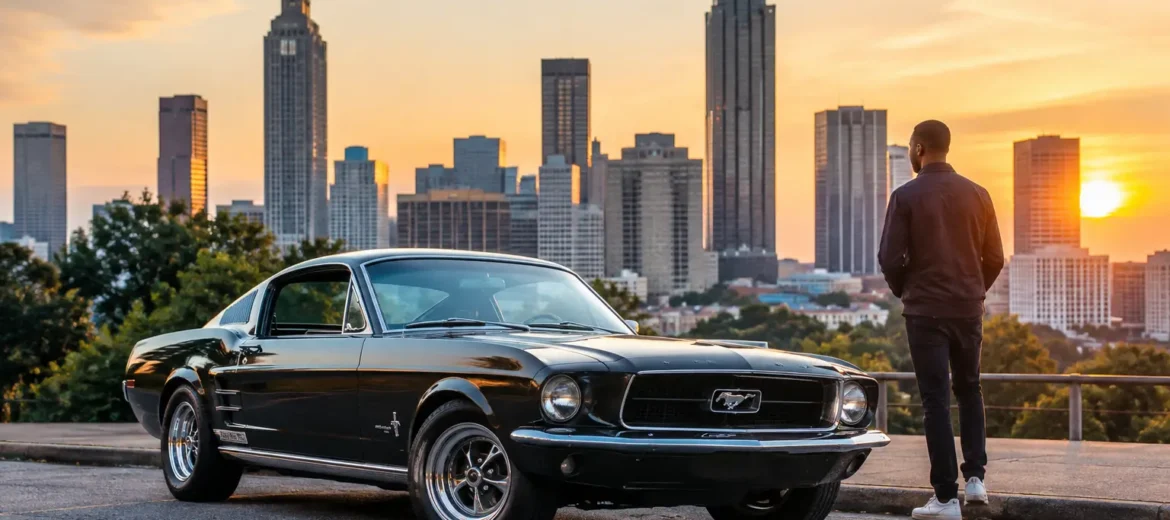
A great vehicle can establish a character before a single line is spoken. The graceful sweep of a fender outside a Buckhead estate, a polished hood catching late-afternoon light in Midtown, or a convertible arriving at a historic North Georgia venue can give a scene its era, mood, and emotional stakes. For productions seeking Atlanta film vehicles, the right automobile is not background transportation. It is part of the visual language.
A classic car carries details that cannot be added convincingly in post-production: the proportions of a hand-finished body, the texture of a leather interior, the measured sound of a door closing, the way chrome and curved glass respond to light. Whether the story calls for old-world glamour, a romantic reveal, or a character with unmistakable presence, choosing the vehicle well can make the frame feel intentional from the first shot.
Why Atlanta Film Vehicles Need More Than Style
Film and production vehicles must photograph beautifully, but beauty is only the beginning. The car has to suit the period, the character, the setting, and the practical rhythm of the shoot. A vehicle that feels perfect in a mood board may feel too formal for the location, too visually busy beside the wardrobe, or too confined for the planned camera angles.
That is why the most successful selections begin with the story rather than the car itself. Consider what the audience should feel at the moment the vehicle appears. Is it romance? Intrigue? Celebration? Quiet generational wealth? A 1949 Bentley Mark VI, for example, brings a composed, tailored presence that works naturally for refined period scenes, formal arrivals, and editorial imagery. A 1928 Ford Model A Phaeton Convertible offers something lighter and more open – ideal when the production needs movement, sunshine, and a sense of carefree vintage charm.
The distinction matters. A classic automobile should support the scene without competing with it. Sometimes the most memorable choice is the imposing hero car at the center of the action. Other times, it is the perfectly placed vehicle just beyond a doorway or at the edge of a wide exterior shot, quietly making the world on screen feel complete.
Start With the Vehicle’s Role in the Script
Before reviewing styles, define how the car will be used. A static exterior shot has different requirements from a vehicle used for an arrival, a departure, a dialogue sequence, or a rolling scene. The more precise the brief, the easier it is to choose a car that delivers both visually and logistically.
The hero vehicle
A hero vehicle is meant to be noticed. It may introduce a central character, carry a couple through a pivotal moment, or become the visual anchor of a campaign. For these scenes, silhouette matters as much as color. The dramatic lines of an Excalibur Phaeton or a Mercedes-Benz 540K Roadster replica can create instant cinematic scale, especially in a formal setting such as a grand entrance, garden drive, or luxury hotel approach.
Because a hero vehicle appears prominently, consider its relationship to wardrobe and production design. Dark tuxedos and evening gowns may call for a luminous ivory, silver, or deep-toned automobile depending on the desired contrast. Soft pastels, florals, and daylight photography often pair beautifully with open-top vintage styling. There is no universal answer – the strongest pairing depends on whether the car should blend into the world or command it.
The atmosphere vehicle
Not every film car needs to carry talent. A vehicle parked near a venue entrance, positioned on a tree-lined drive, or framed behind a couple during a photoshoot can provide period context without requiring extensive action. This is often a thoughtful choice for editorial productions and brand campaigns where the car contributes texture, aspiration, and place.
Atmosphere vehicles benefit from deliberate placement. Give the automobile room in the composition, and let its shape read clearly. Crowding it with signage, equipment, or unrelated modern details can weaken the illusion. A short location walk-through before the shoot can reveal the strongest approach, parking position, and background.
The experiential vehicle
Some scenes are built around the ride itself. A proposal film, anniversary story, hospitality campaign, or luxury lifestyle segment may need the genuine experience of a chauffeur-driven classic car. In these moments, the human details become especially valuable: the chauffeur opening the door, a guest settling into the rear seat, a hand resting on the convertible frame, or the gentle pace of an arrival.
The result is more than an automotive image. It gives viewers a feeling of occasion. That distinction is particularly useful when the production is selling a celebration, a destination, or a lifestyle rather than a product alone.
Matching the Car to Atlanta’s Locations
Atlanta offers a remarkable range of settings, and each asks something different of a classic vehicle. In Buckhead, formal architecture, manicured entrances, and private-event settings can support the elegant gravity of a Bentley or the theatrical presence of an Excalibur. Around Midtown, glass, stone, and city light create a compelling contrast with prewar curves and polished chrome.
For a softer, more pastoral frame, North Georgia estates and wedding venues often pair beautifully with open-top Fords and roadster-inspired designs. The setting can breathe around the vehicle, allowing for wide shots, gentle movement, and sunset imagery. Decatur’s historic character or a quiet tree-lined residential drive may call for a more intimate composition, where a 1929 Ford Model A feels less like a prop and more like a natural part of the story.
Location also affects the practical plan. Narrow drives, steep approaches, gravel paths, confined loading zones, and limited turnaround space should be discussed early. A beautiful location is only useful when the vehicle can arrive, stage, and depart with appropriate care. Production schedules should also leave room for the unhurried setup that classic automobiles deserve.
What to Share With Your Vehicle Coordinator
A thoughtful production brief protects the creative vision and helps the day run calmly. It should include the shoot date, call time, location address, vehicle-on-camera time, intended use, number of passengers if any, and whether the car will be stationary or moving. Reference images are useful when they clarify tone, framing, or period direction.
It is equally helpful to identify any scenes involving talent entering or exiting the vehicle, close-up interior photography, or extended roadside staging. These details affect where the automobile should be positioned and how the chauffeur can best support the production. If filming takes place across multiple locations, share the route and timing rather than assuming the car can move instantly between setups.
For larger crews, designate one point person who can communicate with the chauffeur or coordinator. This small decision reduces confusion when the schedule shifts, as it often does, and allows the creative team to stay focused on the work in front of the camera.
The Value of a Chauffeur-Driven Production Vehicle
A chauffeur-driven classic car changes the texture of a production day. It gives the team a knowledgeable caretaker for the vehicle, while allowing talent, directors, and photographers to focus on composition and performance. The chauffeur can manage arrivals and departures with discretion, help position the car safely, and preserve the composed, polished feeling that the scene requires.
This approach is particularly valuable when the vehicle is part of a live event being filmed. A wedding content team, for instance, may need authentic footage of a getaway moment without turning the couple’s celebration into a complicated production exercise. With the automobile and chauffeur professionally coordinated, the camera can capture the moment as it unfolds.
There are trade-offs, of course. Historic vehicles have their own character and should be treated as such. Productions that need aggressive driving, specialized rigging, stunts, or extensive mechanical modification need a different category of vehicle and planning. For elegant arrivals, editorial sequences, cinematic portraiture, and carefully managed on-road scenes, however, a heritage automobile offers a level of presence that modern transportation rarely matches.
Build Time Into the Shot List
The finest images often come from the pauses between planned takes. Allow time for the vehicle to be cleaned and positioned, for the light to shift, and for the director or photographer to notice an unexpected detail: reflections in a fender, a glimpse through the windshield, or the graceful movement of a convertible top down an avenue.
Plan wide establishing shots, but do not overlook close details. A gloved hand on a door handle, the curve of a running board, an emblem, a rearview mirror, or the interior from just outside the open door can give an edit richness and rhythm. These smaller images are especially valuable for reels, teasers, and social campaigns.
Classic Rides ATL can help productions select a chauffeur-driven automobile that feels aligned with the scene rather than merely placed within it. Share the story, the location, and the emotional tone you want on screen, then let the vehicle become one of the quiet details viewers remember long after the final frame.