
Wedding Transportation Timeline for a Graceful Exit
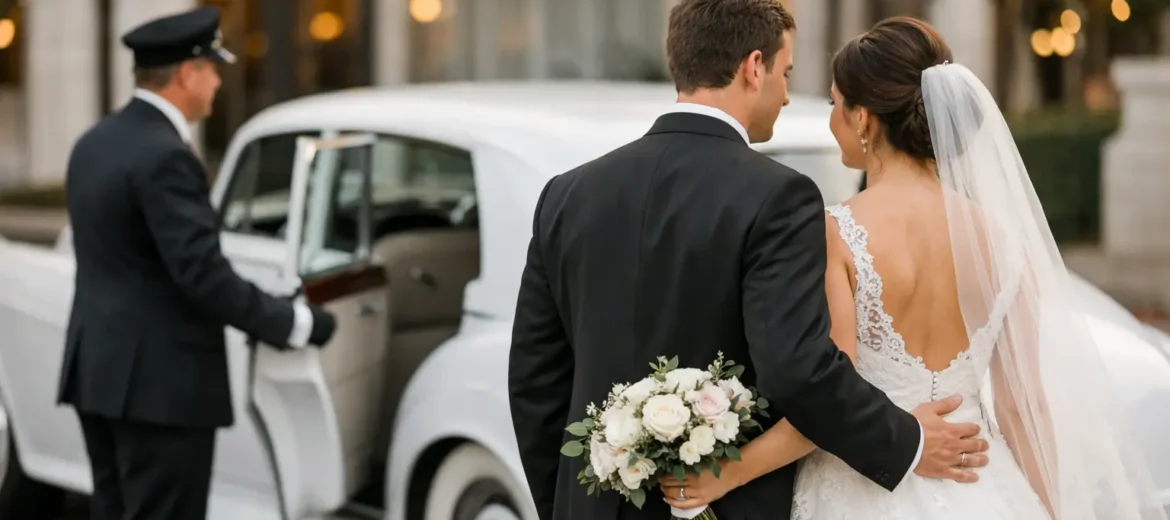
A wedding day can move from champagne to ceremony doors in what feels like a single breath. The difference between a hurried departure and a cinematic final moment often comes down to one thoughtful document: the wedding transportation timeline. It gives every arrival, portrait, and exit enough room to feel intentional – especially when a chauffeur-driven vintage automobile is part of the celebration.
For couples who have chosen a historic venue, a formal ballroom, or a sunlit North Georgia estate, transportation is not merely a practical detail. It shapes the first impression, creates a private pause between events, and gives the final farewell the sense of occasion it deserves.
Why the Wedding Transportation Timeline Matters
A well-made timeline protects the atmosphere you have spent months creating. When a couple, photographer, planner, venue team, and chauffeur all understand where the car should be and when, the day feels composed rather than managed. There is time to settle a veil before stepping out, time for the photographer to capture the just-married glow, and time to leave guests with an image they will remember.
The goal is not to schedule every minute so tightly that the day feels clinical. It is to place generous, purposeful windows around the moments that matter. A classic automobile asks for this kind of consideration. Its presence is visual, tactile, and deeply photogenic. Rushing past it would miss much of the experience.
Your timeline should also reflect the wedding’s actual geography. A ceremony in Buckhead followed by a reception in Midtown requires a different approach than a celebration held entirely at one property. The distance may be short, but valet flow, guest departures, venue access, and portrait locations can change the rhythm of the afternoon.
Build Your Wedding Transportation Timeline Backward
The most reliable way to plan transportation is to begin with the final exit and work backward. Your departure is one of the few moments when every element naturally comes together: your attire, your guests, the lighting, the send-off, and the car. Once that moment has a clear time and location, the earlier pieces become easier to arrange.
Begin With the Getaway Moment
Choose the real departure time, not simply the time the reception is scheduled to end. If you would like guests gathered outside with sparklers, ribbon wands, or a shower of petals, allow 15 to 20 minutes for the coordinator to assemble everyone and for the photographer to establish the shot. Add a few minutes for an unhurried walk through the crowd and a final round of embraces.
The getaway car should be in position before guests are called outside. This avoids the rather ordinary sight of a couple waiting at the curb while a vehicle is being moved into place. Confirm the precise pickup point with the venue, including whether the most striking entrance is accessible after dark and whether valet operations affect the route.
A vintage-style exit need not mean disappearing immediately into the night. Some couples choose a brief chauffeured ride after the send-off, creating a quiet interlude before returning to the reception or continuing to their hotel. It depends on the flow of the event and whether the couple wants the exit to be a true farewell or a beautifully staged moment within the evening.
Protect Time for Portraits With the Car
If a classic vehicle is part of the visual story, reserve dedicated portrait time rather than hoping to find a spare five minutes. For most weddings, 20 to 30 minutes works well. This can happen after a first look, immediately following the ceremony, or during the softer light before sunset.
The best window depends on your photography priorities. A first-look session gives more privacy and flexibility, particularly at venues with a busy cocktail hour. Post-ceremony portraits capture the energy of having just said “I do,” but they can compress time with family photographs. Sunset portraits can be especially romantic, although they require a clear plan for where the couple will be when the light is right.
Let the photographer know that the vehicle is a featured element, not background parking. A 1949 Bentley, an open-air 1928 Ford Model A Phaeton Convertible, or an elegant Excalibur Phaeton each creates a different mood and may influence how portraits are framed. The chauffeur can position the car thoughtfully, but the timeline should account for moving it, opening doors, and creating a clean scene without other event traffic in view.
Set Arrival Times Earlier Than the Ceremony
For a ceremony arrival, plan for the car to arrive at least 20 to 30 minutes before the couple needs to step out. This margin is not wasted time. It allows for traffic variation, a final check of clothing, a quiet breath, and a graceful entrance on cue.
If one partner is arriving separately, decide whether the vehicle will remain discreetly nearby or return later for portraits and the exit. This affects the chauffeur’s schedule and the overall booking duration. It is also useful to identify a point person – often the planner, coordinator, or a trusted member of the wedding party – who can communicate timing changes without placing the couple in the middle of logistics.
A Practical Rhythm for the Day
Every wedding has its own shape, yet the following sequence gives couples a useful starting point. Treat these as planning windows, not rigid rules.
- Before the ceremony: The chauffeur arrives early enough to confirm access, review the pickup location, and be ready before the couple is dressed.
- Twenty to thirty minutes before the entrance: The couple boards, settles in, and arrives close to the ceremony site with time for a poised final touch-up.
- After the ceremony: Reserve a dedicated 20 to 30 minutes for portraits if the car will appear in your wedding gallery.
- Near the reception finale: Have the vehicle staged before the send-off begins, then allow 15 to 20 minutes for guests, photography, and a composed departure.
This rhythm expands or contracts according to the event. A single-venue wedding may only need the car for portraits and the exit. A celebration with separate getting-ready, ceremony, and reception locations may benefit from a longer chauffeured experience. The right choice is the one that gives the vehicle a meaningful role without leaving it idle through long portions of the day.
Build in Buffers That Preserve the Romance
The most elegant timelines include breathing room. Atlanta traffic, a delayed hair appointment, a family member who needs one more photograph, or an unexpectedly enthusiastic cocktail hour can all shift the day. A modest buffer prevents a small delay from reaching the ceremony entrance or final exit.
Consider adding 10 to 15 minutes around venue transitions and portrait windows. If your celebration takes place at an estate in Roswell, Milton, or another North Georgia setting, also account for gates, winding drives, and the distance between the ceremony lawn and reception entrance. These details are easy to overlook on a floor plan and obvious on the wedding day.
A buffer is especially valuable when the dress has a dramatic train, the couple plans a grand entrance, or the wedding party is moving in multiple directions. Luxury is often felt as ease. The schedule should let you enjoy the car’s cabin, the anticipation before the ceremony, and the stillness after the celebration rather than treating each as a race against the clock.
Choose the Vehicle Around the Moment
The most fitting car is not always the largest or most ornate one. It is the vehicle that belongs in the story you are telling. A formal black-tie celebration may call for the stately presence of a Bentley. An outdoor garden wedding may feel especially natural with the open-air romance of a Phaeton convertible. For a glamorous estate reception, an Excalibur’s sculptural lines can create an unforgettable departure portrait.
Season matters, too. An open-top vehicle is enchanting in gentle spring weather or a crisp fall evening, while an enclosed classic car offers a more protected experience during summer heat or a chance of rain. Discuss these preferences early, alongside your attire and photography plans. A voluminous gown, for example, may influence how easily the couple enters and exits a particular vehicle.
Coordinate the Details Before the Wedding Week
A few precise conversations will make the wedding-day plan far calmer. Confirm the venue address and specific entrance, pickup and exit locations, the ceremony start time, portrait window, reception end time, and the name and phone number of the planner or coordinator. Share any venue restrictions that may affect vehicle access, as well as the preferred route if you have a meaningful drive in mind.
It is wise to review the transportation schedule with your photographer and planner together. They can help determine whether the car should appear before the ceremony, after it, or only at the end of the evening. This small coordination step prevents competing priorities and ensures that the vehicle’s arrival supports the event rather than interrupting it.
At Classic Rides ATL, a chauffeur-driven classic car can be planned as part of the wedding’s visual and emotional arc, from the anticipation before the vows to the final wave beneath the venue lights. When you are ready, request a quote with your venue, schedule, and the moments you want to remember most. The right timeline leaves room for the kind of departure that feels less like transportation and more like the opening scene of married life.