
Do Classic Cars Have Seatbelts? What Guests Should Know
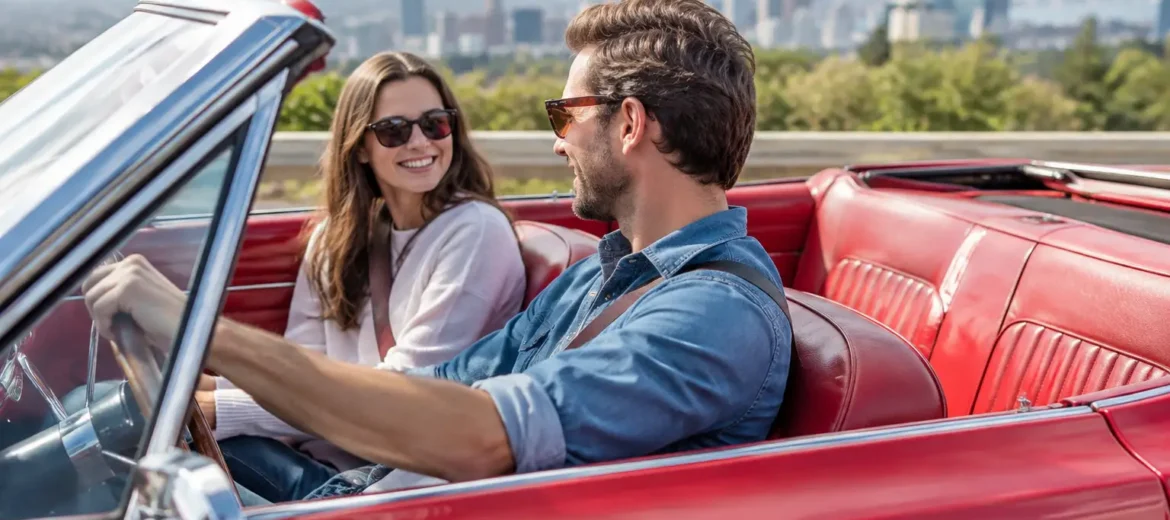
A vintage automobile can make an arrival feel cinematic: a newlywed couple stepping from a grand sedan beneath the lights of an Atlanta ballroom, or a proposal unfolding along a quiet, tree-lined drive. Yet before the photographs, flowers, and anticipation take over, one practical question deserves a clear answer: do classic cars have seatbelts?
Sometimes they do. Sometimes they do not. And in a chauffeur-driven classic, the answer depends less on the word “classic” than on the individual vehicle, its year of manufacture, its seating configuration, and any carefully considered updates made during restoration.
For guests planning a wedding exit, anniversary ride, or elegant evening out, the right approach is simple: ask about the specific automobile before finalizing the experience. That small conversation allows the occasion to retain its romance while honoring everyone’s comfort and safety.
Do classic cars have seatbelts in every seat?
No. Classic cars are not a single category with one universal restraint arrangement. A vehicle from the late 1920s was built in a very different era from one produced in the 1960s or 1970s. Early automobiles were often designed without seatbelts altogether, while later classics may have lap belts, front-seat belts, or more developed restraint systems depending on their original design and subsequent restoration.
The seating position matters as much as the car’s age. A classic sedan might offer belts for some passengers but not others. A convertible or open-air phaeton may have a configuration shaped by its original body style and passenger layout. Even two vehicles from the same decade can differ substantially.
That is why a photograph, a model name, or a general assumption about vintage cars cannot provide a reliable answer. The exact vehicle is what matters. A professional coordinator should be able to discuss the passenger seating arrangement, the availability of restraints, and any considerations that may affect the planned experience.
Why vehicle age changes the answer
Seatbelts became standard equipment gradually, not all at once. Automobiles produced in the earliest decades of the 20th century predated the widespread adoption of occupant restraints. By the mid-century period, belts were becoming more common, though availability and design varied. Later classic vehicles are more likely to have factory-installed restraints, particularly in front seating positions.
The distinction is meaningful for a heritage vehicle. A 1928 Ford Model A Phaeton Convertible, for example, reflects the open-air motoring traditions of its time. A 1949 Bentley Mark VI represents a later chapter in automotive craftsmanship, but still comes from an era with very different expectations around passenger safety equipment than those found in modern luxury vehicles.
Many restored classics are preserved with deep respect for their original character. Any updates to a vehicle must be approached thoughtfully, balancing safety considerations, authenticity, structural realities, and the integrity of the automobile itself. For a guest, this means the right question is not whether all old cars “should” have modern equipment. It is whether a particular car is appropriate for a particular occasion and passenger group.
Legal requirements and practical expectations are not the same
A classic vehicle may be lawful to operate under rules that differ from those applying to newly manufactured automobiles. In many cases, seatbelt requirements are tied to the equipment installed by the manufacturer when the vehicle was built, rather than requiring a historic automobile to mirror a current production vehicle.
Still, legal status should not be confused with a blanket assurance about a guest’s needs. A couple planning an intimate wedding departure may be perfectly comfortable in a vehicle with a particular historic configuration. A family celebration involving children, or an event with guests who need specific support or accommodations, calls for a more detailed conversation well before the day arrives.
Event planners and hosts should also remember that passenger-safety rules can vary by location, passenger age, seating position, and circumstance. A responsible chauffeur-driven experience begins with clear expectations, not last-minute assumptions at the curb.
How to choose the right classic car for your occasion
The most elegant choices are usually the most intentional. Begin by considering who will be riding and what the journey is meant to feel like. A brief, celebratory departure from a wedding venue calls for different planning than a longer sightseeing experience through Midtown, Buckhead, or the rolling roads of North Georgia.
Share the essential details with the experience coordinator: the number of passengers, the approximate duration, the pickup and drop-off setting, and whether any guest has mobility, child-seat, or restraint-related needs. This is not an interruption to the magic. It is what allows the details to be handled with the same care as the floral design, photography timeline, or champagne toast.
For a couple, vehicle selection is often about atmosphere as much as seating. A stately enclosed automobile can create a quiet, private setting after a lively reception. An open-air vintage vehicle offers a more visible, celebratory moment, especially for a daytime engagement session or a graceful send-off surrounded by guests. Both can be unforgettable, but they offer distinctly different experiences.
For weddings and formal celebrations
A wedding day has a way of making every minute feel precious. Confirm the passenger arrangement in advance, particularly if the car is intended to carry more than the newlyweds. Formal attire also deserves consideration. A voluminous gown, a long veil, or a tailored tuxedo may influence how easily passengers enter, sit, and exit a vintage automobile.
A chauffeur can help create a composed, unhurried transition, but the vehicle itself should suit the moment. If restraint availability is an essential requirement, state that clearly while selecting the car rather than treating it as a detail to settle after the booking.
For proposals, anniversaries, and date nights
For an intimate occasion, the journey is often part of the gesture. There is time to settle in, take in the craftsmanship around you, and let the city pass at a gentler pace. Whether the evening begins near a favorite restaurant or ends at a tucked-away overlook, choose a vehicle that supports the feeling you want to create.
Guests who prefer the reassurance of a seatbelt should ask directly about the car under consideration. There is no need for apology or hesitation. Comfort is personal, and thoughtful hospitality makes room for practical questions.
For photography and film productions
A vehicle selected for visual impact may not be the vehicle best suited to transporting a larger group between locations. Productions should discuss whether the automobile will be stationary, used for a brief scene, or driven with passengers. That clarity helps align the vehicle, the shot list, and the practical requirements of the day.
Questions worth asking before you reserve
A few specific questions will provide more useful answers than simply asking whether a classic car is “safe.” Ask which seating positions are available to guests, whether seatbelts are present in those positions, and whether the vehicle is suitable for the number of passengers in your party. If children will be involved, raise that need early so the experience can be planned appropriately.
It is also wise to mention accessibility concerns, significant mobility limitations, and the nature of the route. A short ceremonial ride may be ideal for one vintage vehicle, while a longer outing may call for a different style of classic automobile.
Most of all, be candid about what will make everyone feel at ease. Luxury is not simply a beautiful car at the door. It is the confidence that the experience has been considered from the first arrival to the final farewell.
The beauty of a well-planned vintage ride
Classic automobiles invite a different relationship with travel. Their details ask to be noticed: polished brightwork, sculpted fenders, rich upholstery, the measured ritual of settling into a car made for another age. That sense of occasion is precisely why they belong so naturally to life’s milestone moments.
At the same time, their history deserves respect. A vintage vehicle should be chosen for what it genuinely offers, rather than judged against the expectations of a modern car. When seatbelts are a deciding factor, ask about the individual automobile and let that answer guide the plan.
For celebrations in Atlanta and North Georgia, Classic Rides ATL can help you select a chauffeur-driven classic that feels as considered as the occasion itself. The finest arrival is one that lets you relax into the moment, surrounded by beauty, confidence, and the people you came to celebrate.